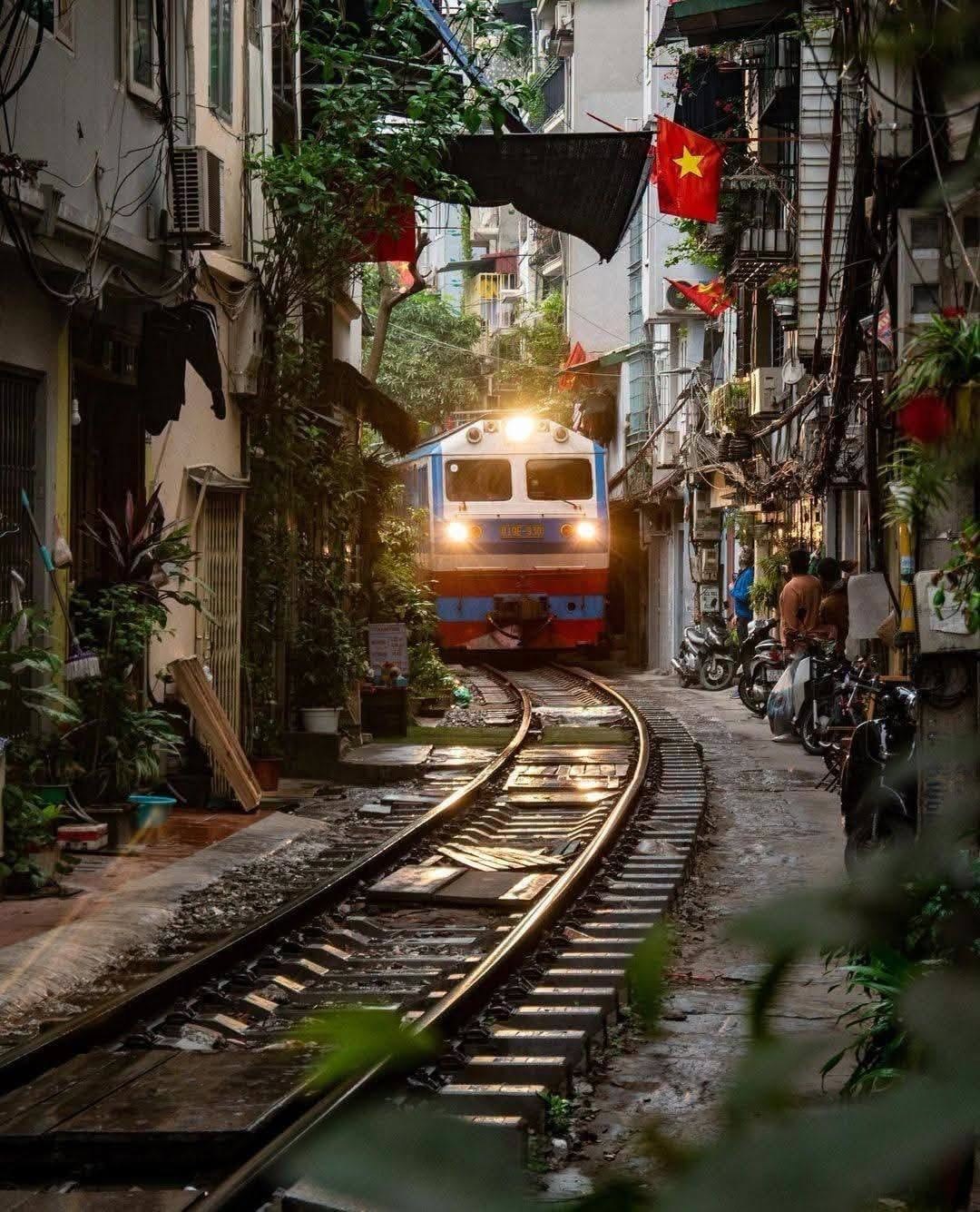
North · History
Add to my journey Hanoi
History, food, old streets.
- Old Quarter streets
- Train Street, evening passing
- Pho at Pho Gia Truyen
Fly into Hanoi (Noi Bai).


Vietnam · Southeast Asia
Our Vietnam tour packages from India are built region by region — North, South and Phu Quoc Island each run as their own trip, never crammed into one.
Why Vietnam, the IKOU way
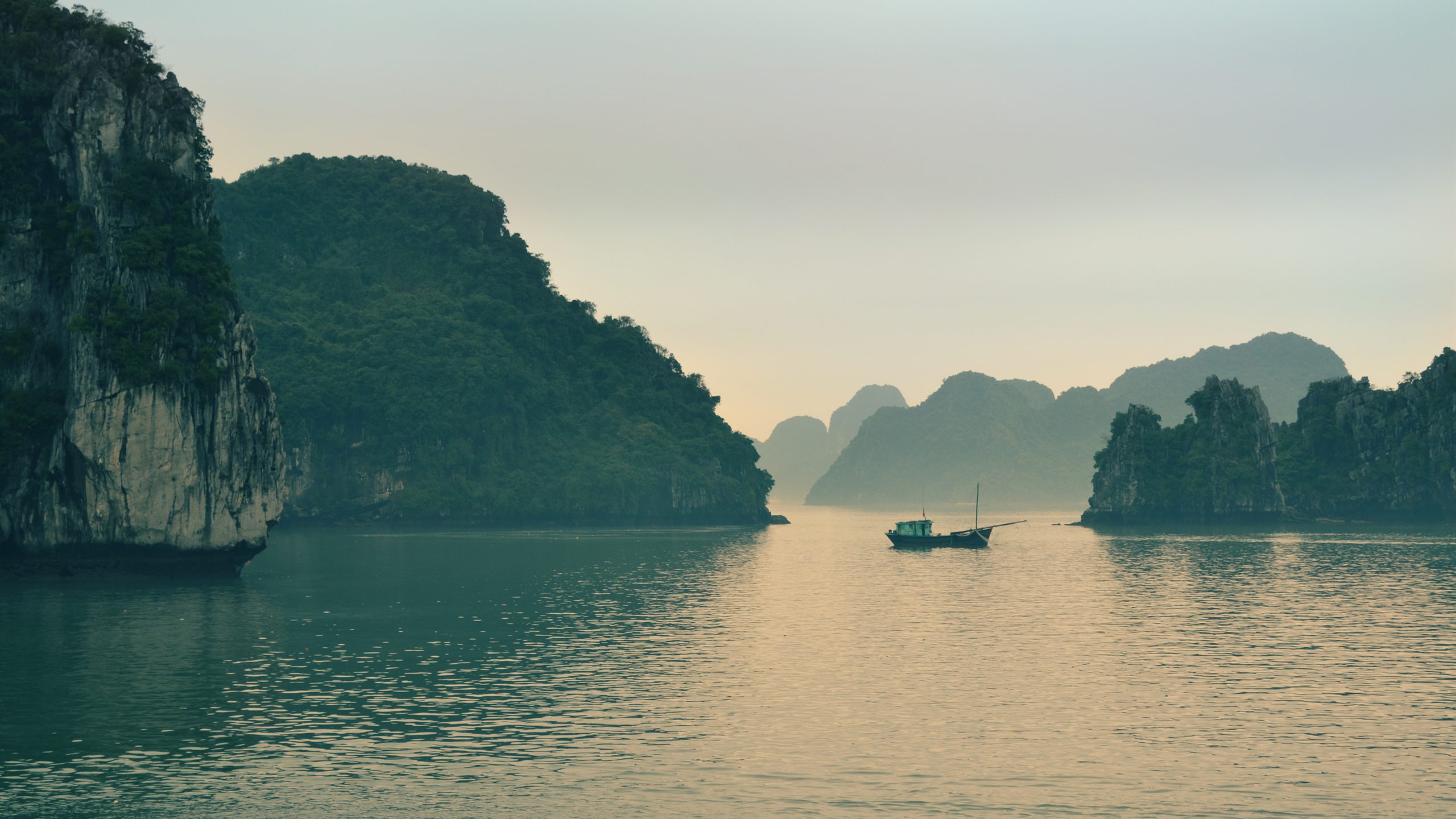
Hanoi's cool lakes and misty hills are a different world from Saigon's heat and the Mekong's canals, a full day's travel apart. Most itineraries try to do both in one dash and end up rushing everything. We plan North Vietnam and South Vietnam as separate journeys, each with the days it actually needs, and treat Phu Quoc Island as its own short escape rather than a rushed add-on.
See all our destinations“We don't sell trips. We travel with you.”
Let's go together.
Vietnam, the IKOU way
North, South or the islands — each planned as its own honest journey, not a shortcut through all three.
Where you'll go
History, food, old streets.
Fly into Hanoi (Noi Bai).
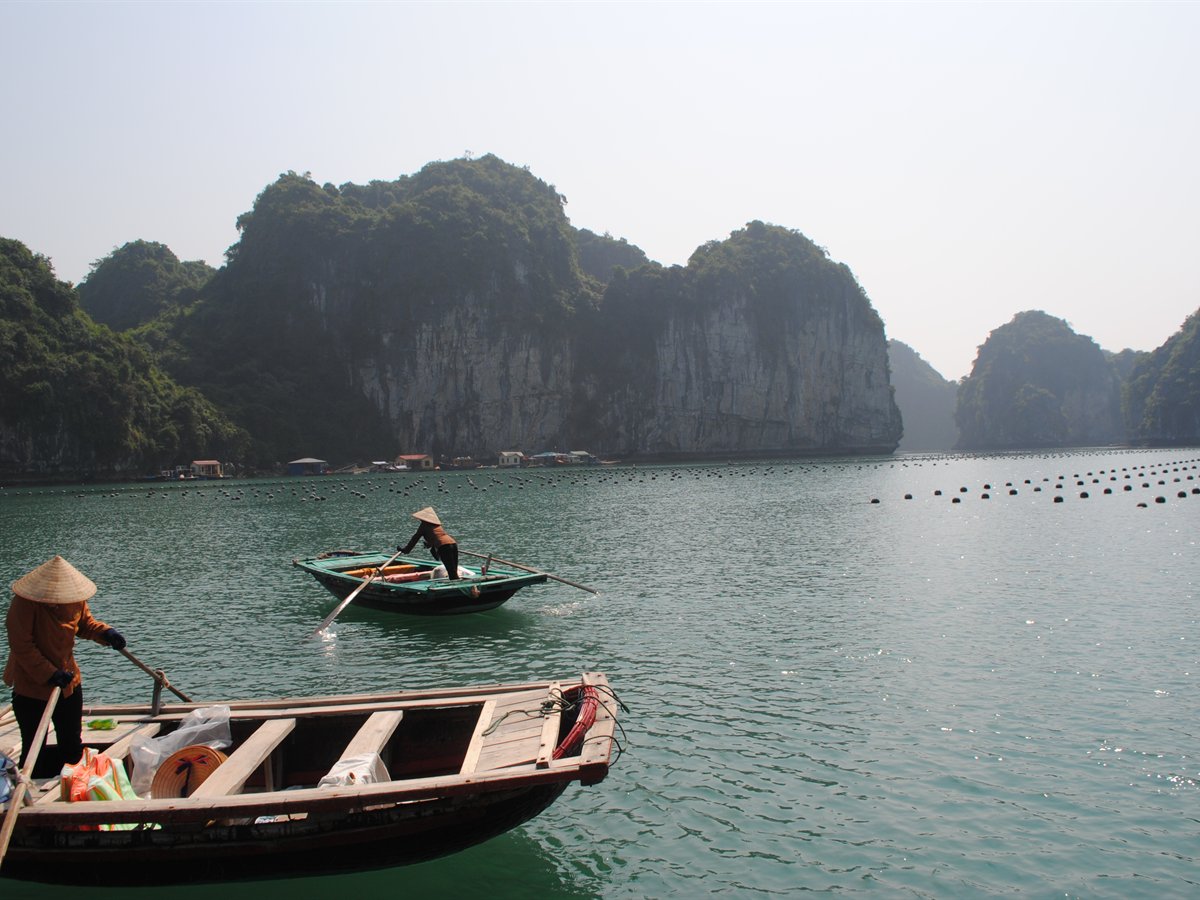
Karst islands by boat.
About 2.5 hours from Hanoi.
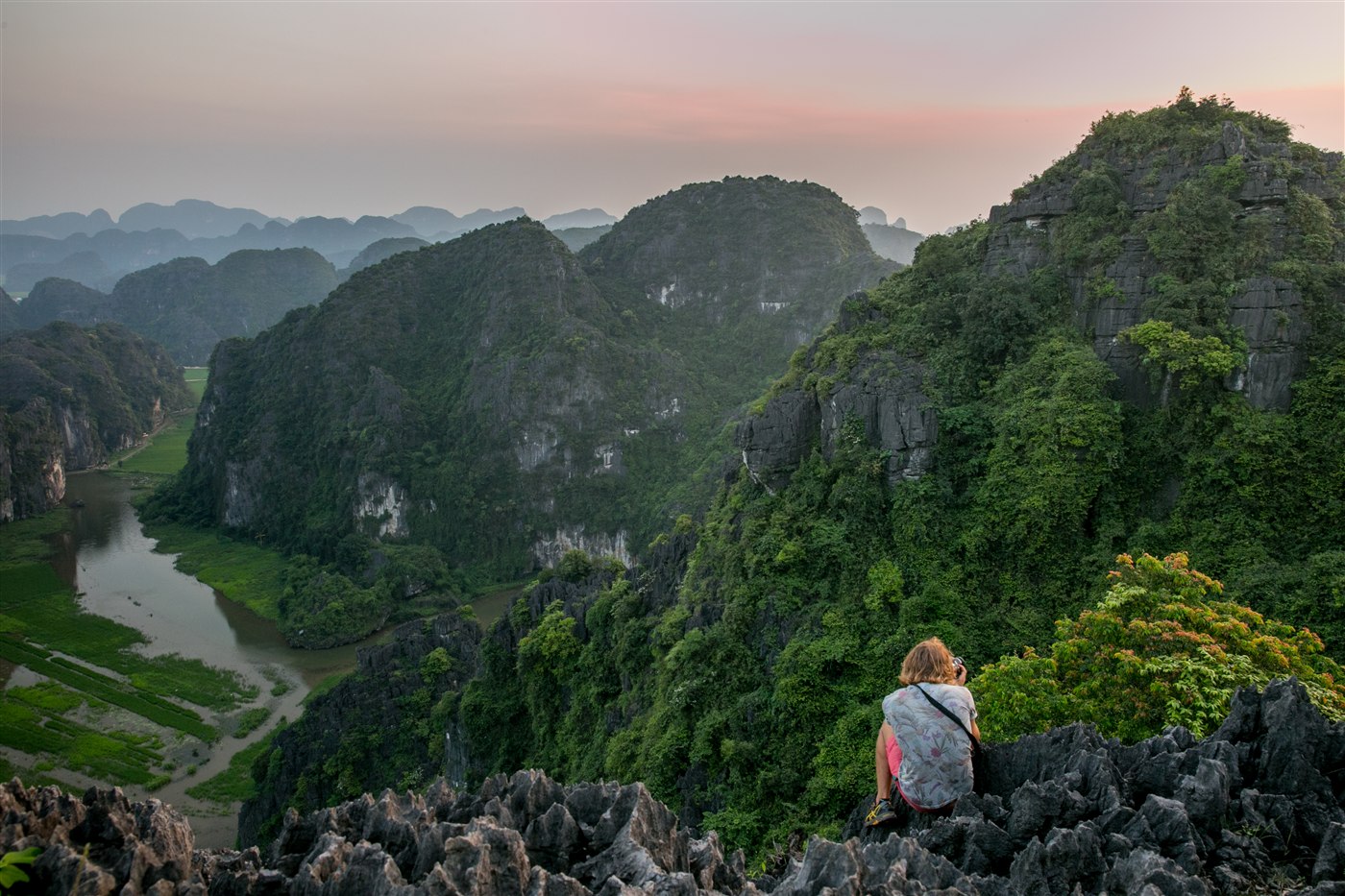
Rice-field rivers, hilltop views.
About 2 hours from Hanoi.
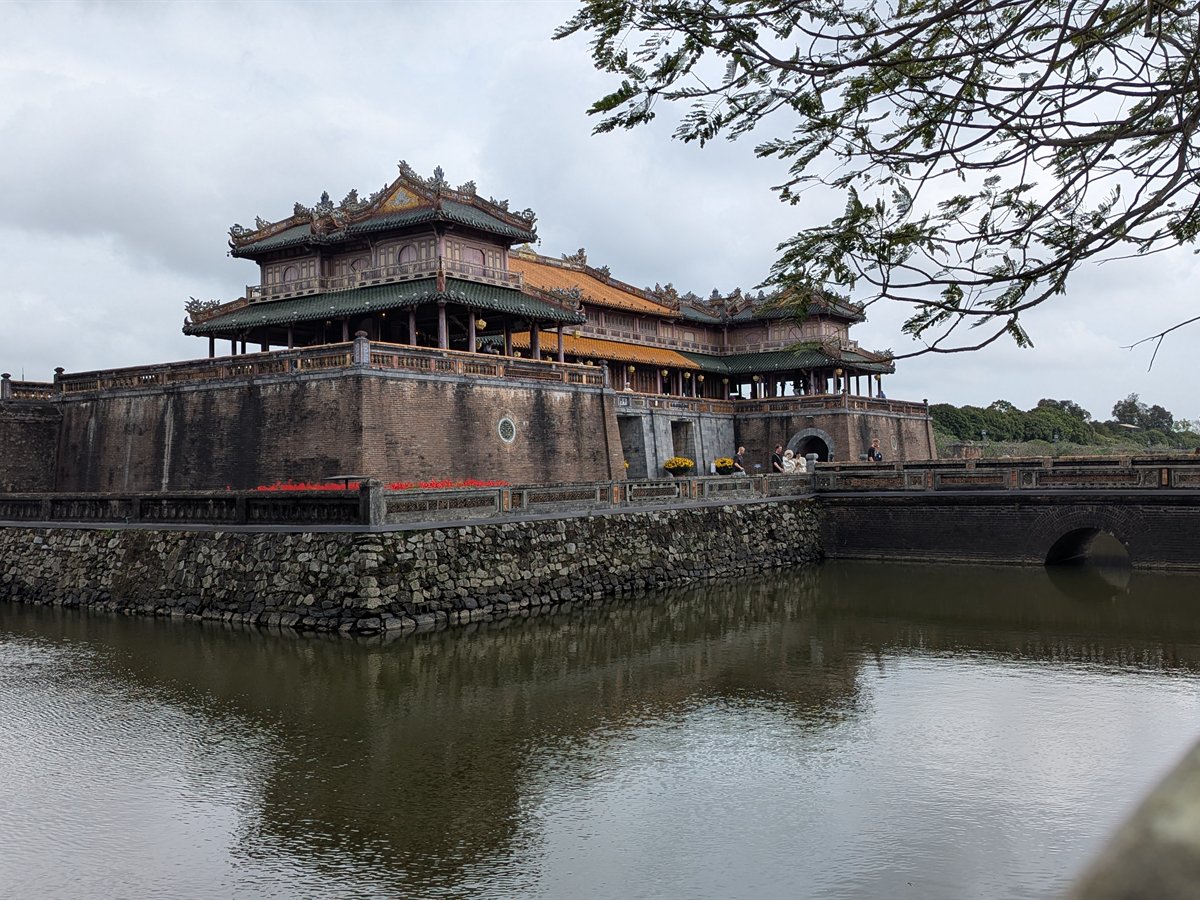
Imperial city, ancient town.
Fly to Da Nang, then by road.
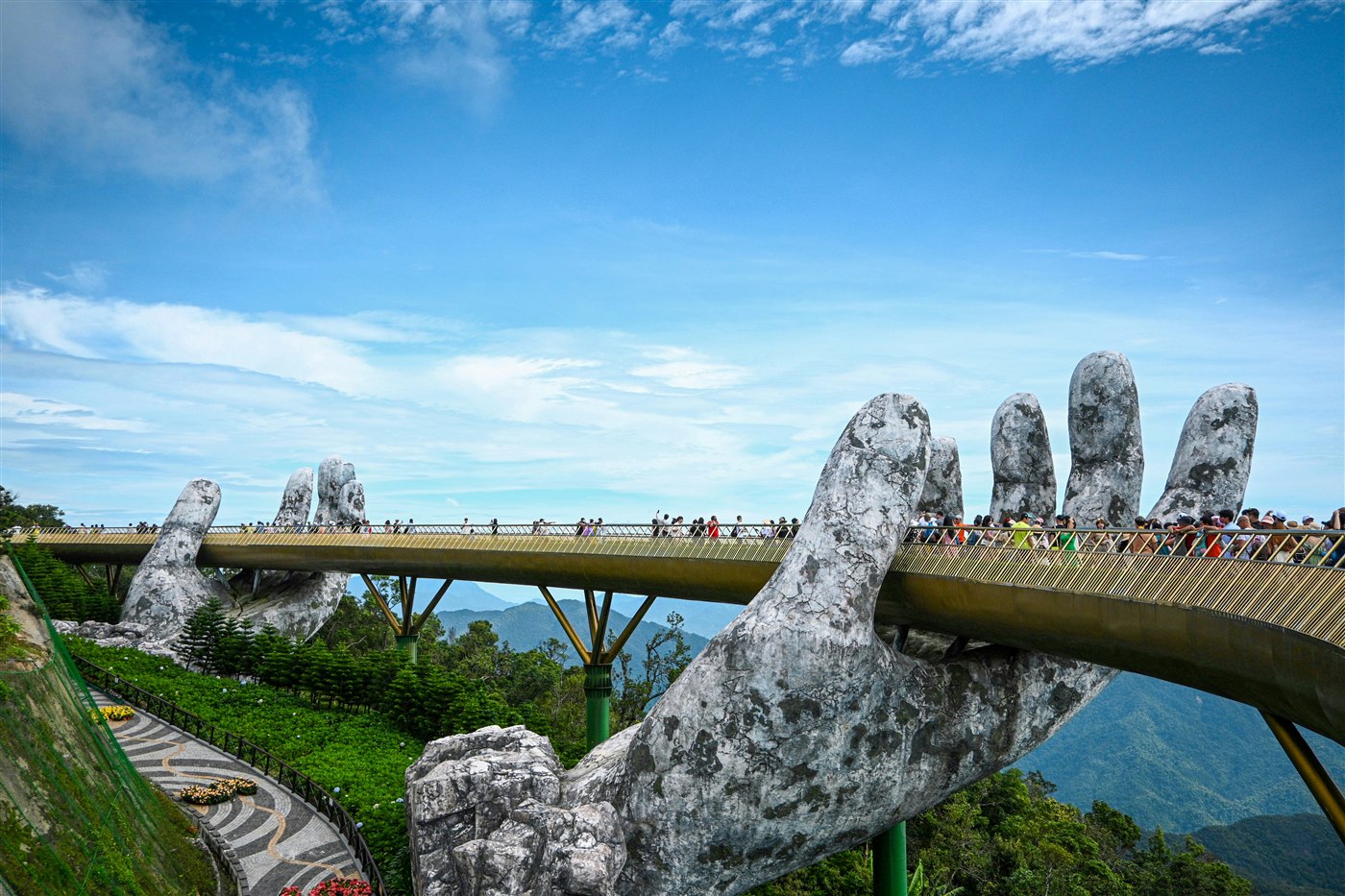
Golden Bridge, Marble Mountains.
Fly into Da Nang.
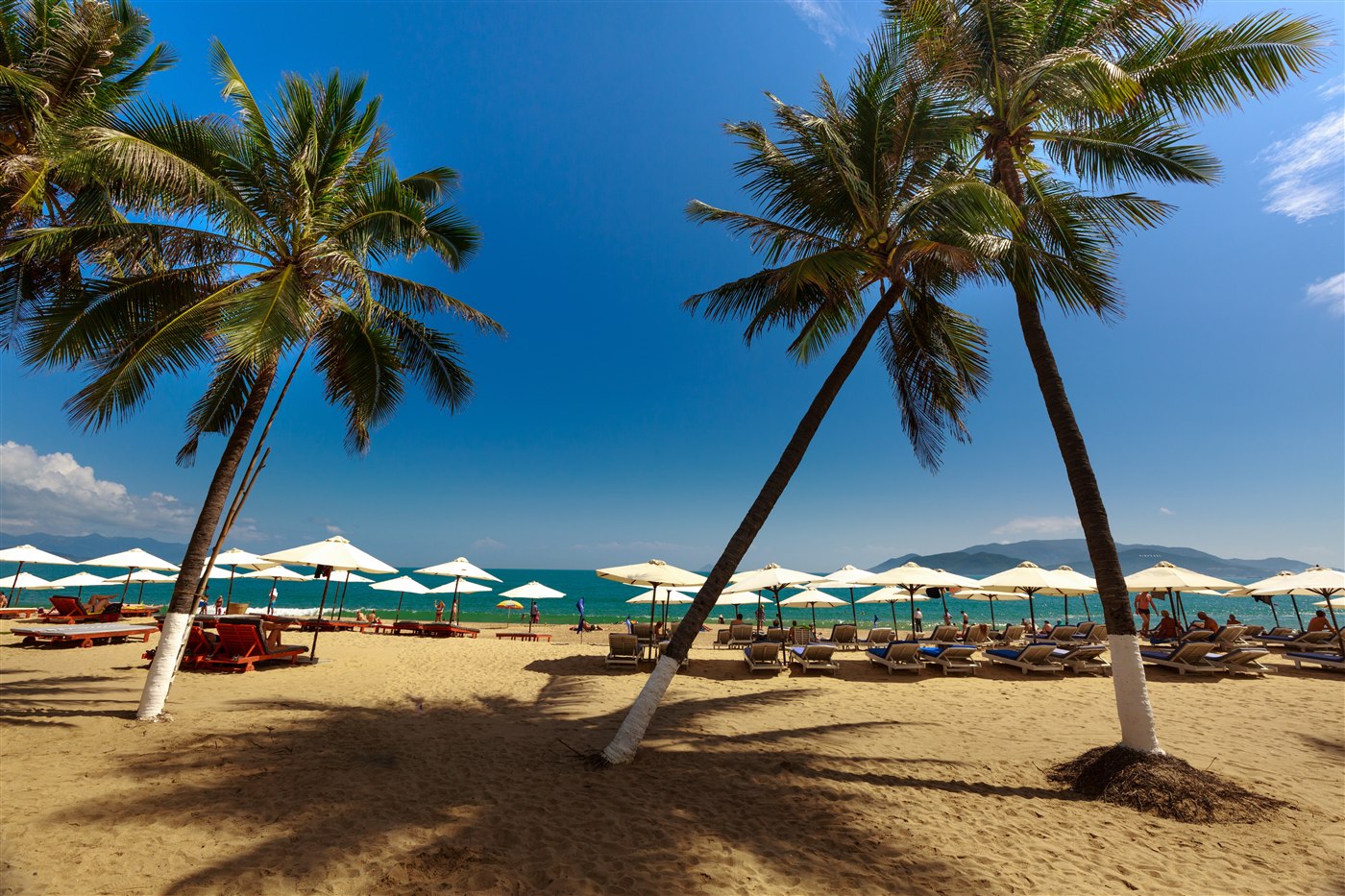
Beach city, island-hopping.
Fly into Cam Ranh.
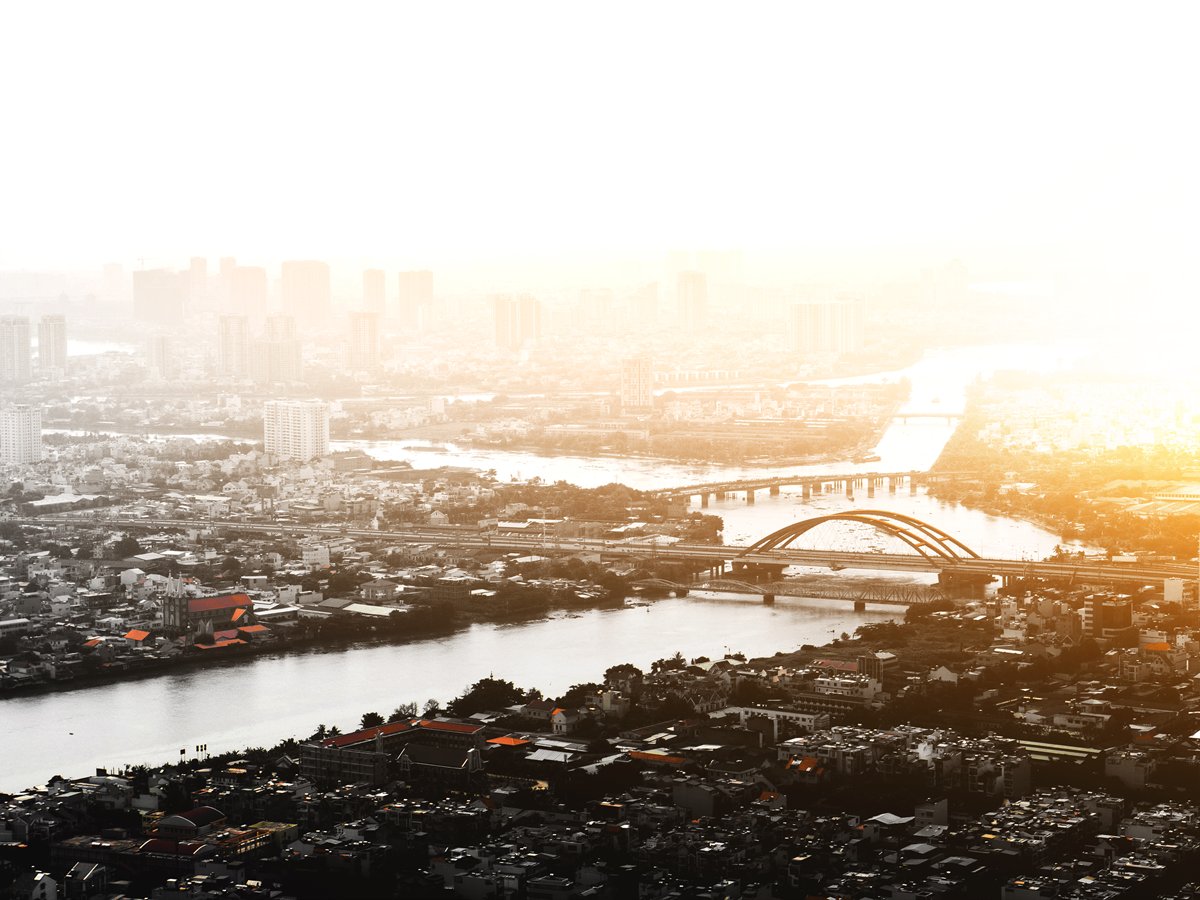
Tunnels, delta, street food.
Fly into Tan Son Nhat.
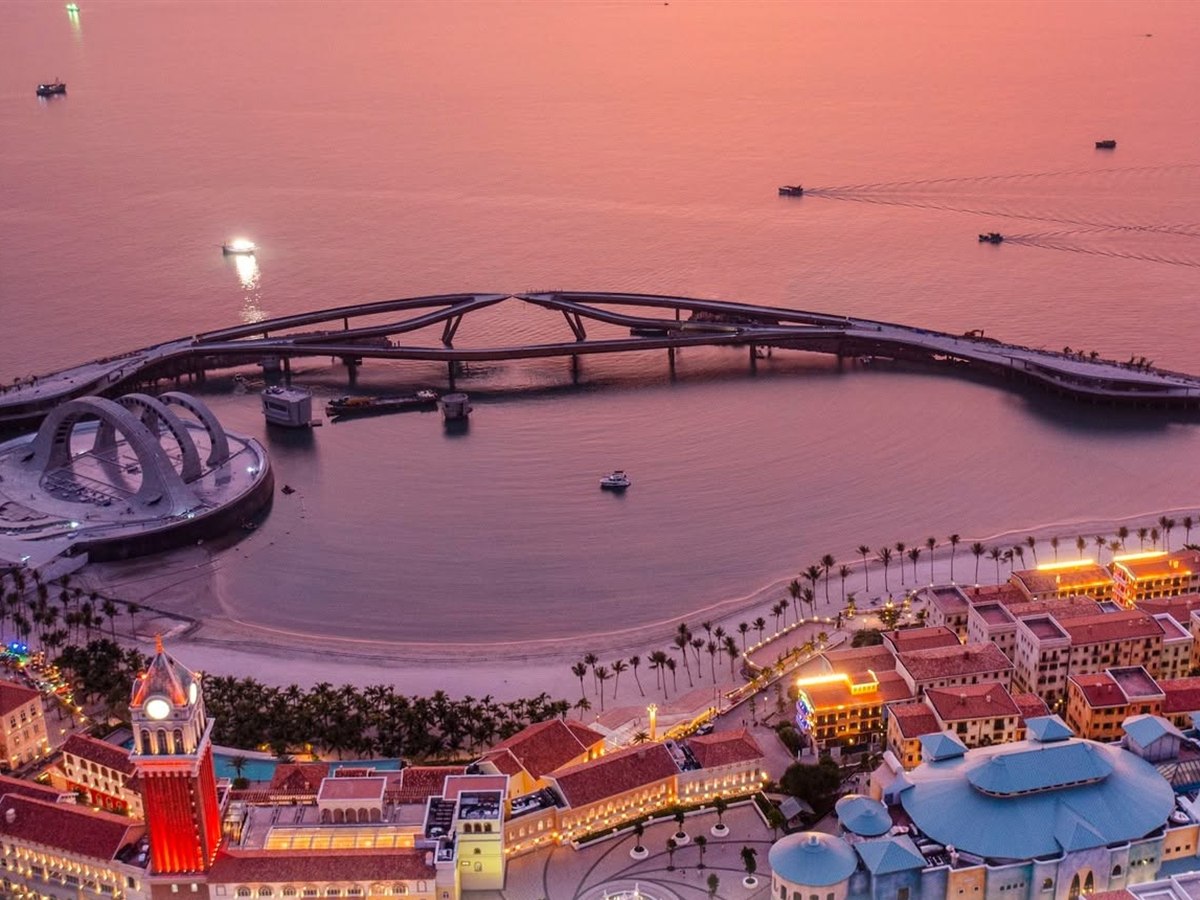
Beaches, reef, rainforest.
Direct flight, visa-free.
The IKOU route
One S-shaped coast, eight ways to see it.
One coastline.
Eight moods.
A more meaningful way
to see it.
Map: derivative of Flag map of Vietnam.svg by Lưu Ly and Fry1989 (Wikimedia Commons, Public domain).
01
North · History
The Old Quarter's narrow lanes, a train passing through Train Street, and a bowl of pho at Pho Gia Truyen: Vietnam's capital at street level.
2-3 nights, fly into Noi Bai
Explore this part02
North · Cruise
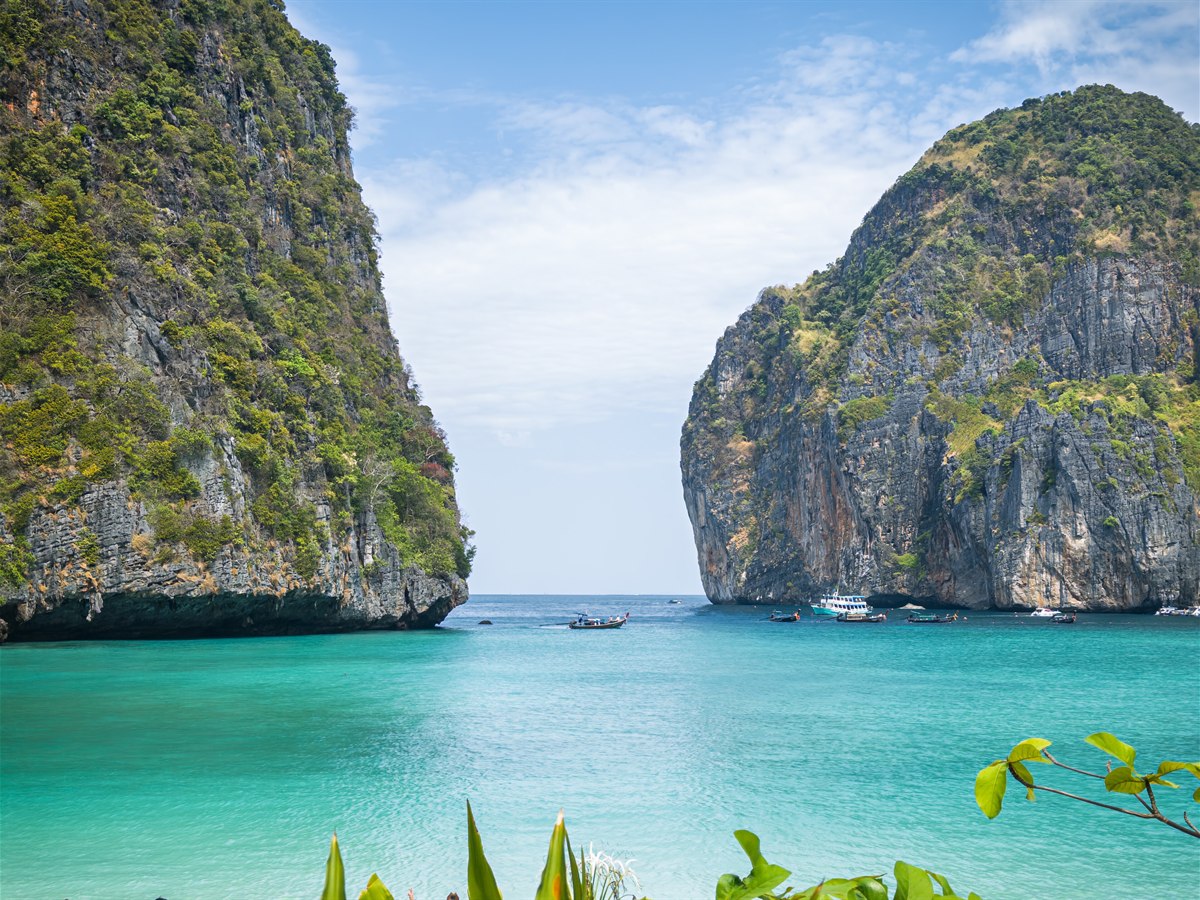
An overnight cruise among thousands of limestone karsts rising from the Gulf of Tonkin, with kayaking through the bay's hidden lagoons.
2 days, 1 night, about 2.5 hours from Hanoi
Explore this part03
North · Karst rivers
A sampan drifts through Tam Coc's rice-field river between limestone towers, then 500 steps up to Mua Cave's viewpoint over the whole valley.
1-2 nights, about 2 hours from Hanoi
Explore this part04
Central · Heritage
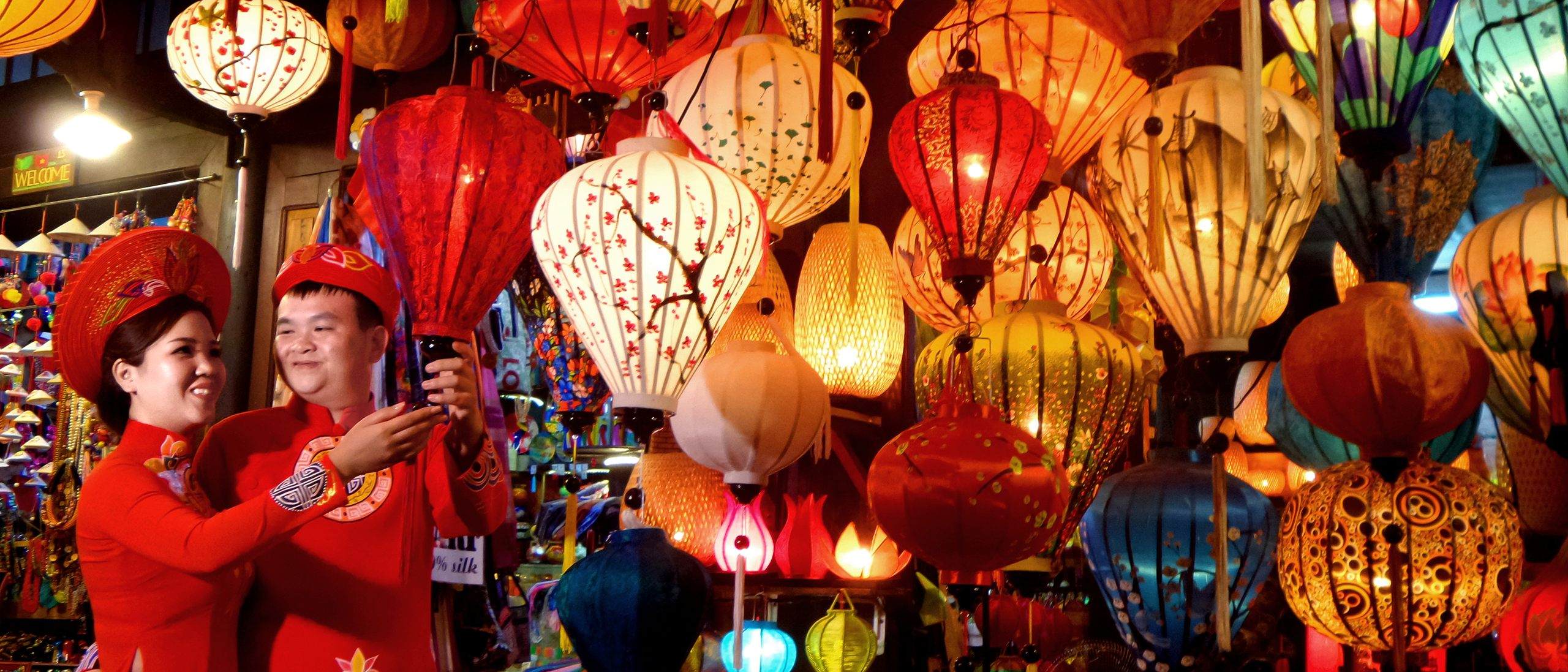
Hue's Imperial City on the Perfume River, then Hoi An's lantern-lit Ancient Town and a bowl of cao lau noodles found nowhere else.
2-3 nights, fly to Da Nang then by road
Explore this part05
Central · Bridges & hills
A cable car climbs to the Golden Bridge's giant stone hands at Ba Na Hills, then the Marble Mountains' cave temples and the Dragon Bridge, which breathes fire on Saturday and Sunday nights.
3-4 nights, fly into Da Nang
Explore this part06
South-Central · Beach
Vietnam's beach capital: a cable car over to Vinpearl, a day of island-hopping and snorkelling, and a half-day trip out to the Fairy Spring waterfall.
2-3 nights, fly into Cam Ranh
Explore this part07
South · Delta
The wartime Cu Chi Tunnels, then floating markets and canal boats through the Mekong Delta, with a banh mi from Huynh Hoa back in the city.
3-4 nights, fly into Tan Son Nhat
Explore this part08
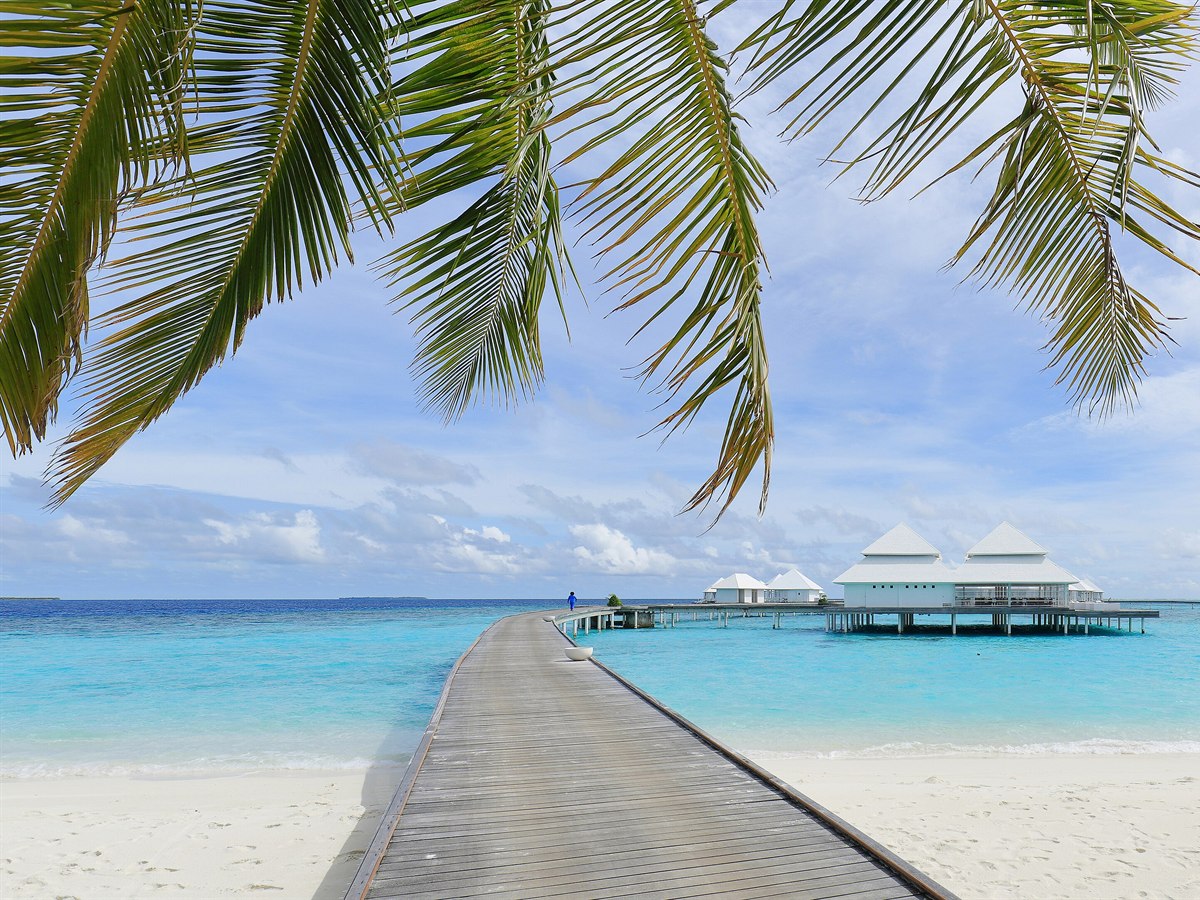
Island · Beach
A visa-free island in the Gulf of Thailand: Sao Beach's white sand, the Hon Thom cable car, and rainforest trails inside the national park.
2-3 nights, direct flight from Saigon or Hanoi
Explore this partA journey through different moods
Sample journeys
The 4-day, 3-night version below; add a 5th day to slow down and split the cable car and the national park.
Land at Phu Quoc International, straight to a beach evening.
White sand, calm water, an easy beach day.
The world's longest three-rope cable car, then a national-park trail.
A slow breakfast by the water before the flight home.
The French quarter, Ben Thanh Market, a banh mi at Huynh Hoa.
A half-day into the wartime tunnel network north-west of the city.
Floating markets and canal boats around Can Tho.
By train or a short flight, then easy days on the South China Sea and the Vinpearl cable car.
Hanoi's lakes and lanes, the Temple of Literature, pho at Pho Gia Truyen.
A cruise among the limestone karsts, kayaking, a night on the water.
Sampan rides through Trang An's limestone karsts and paddy fields.
Terraced rice fields and hill-tribe villages in the northern highlands.
Fly to Hue, the Imperial City, then Hoi An's lantern-lit lanes and cao lau.
A last slow stretch on My Khe Beach before flying home from Da Nang.
A family-paced route built from an IKOU traveller's own trip: a cruise, hill towns, bridges and a beach finish.
A dawn arrival, rest, then Hanoi's lakes and lanes, Train Street, pho at Pho Gia Truyen.
Kayaking and swimming by day, dinner on deck as the karsts turn gold at sunset.
A sampan through Tam Coc's river caves, then the climb to Mua Cave's valley view.
Transfer to Hanoi airport, fly to Da Nang, evening at the lit-up Dragon Bridge.
Ba Na Hills' Golden Bridge, the Marble Mountains' caves, a night among Hoi An's lanterns.
The Vinpearl cable car, island-hopping, and the Fairy Spring waterfall before flying home.
Samples to show the rhythm of each route, not fixed packages. Combine two, or shape any of them your way.
Good to know
Yes, for mainland Vietnam most Indian passport holders apply for an e-Visa in advance through Vietnam's official portal, valid up to 90 days. Phu Quoc Island is the exception: if you fly or sail directly there from outside Vietnam (not via the mainland first), Indian citizens can enter visa-free for up to 30 days. We plan the right option once we know your route; confirm current rules on the official e-visa portal before you fly.
It depends on the region, since the country runs the length of a monsoon system. The North (Hanoi, Ha Long Bay, Sapa) is best September to November or March to April; the South (Saigon, the Mekong, Phu Quoc) is best December to April, avoiding its wetter months; Central Vietnam (Hue, Hoi An) is driest January to August. September to April works reasonably well for most of the country at once.
You can, but we usually don't recommend it on a first trip — the two ends sit a full day apart by road and have quite different climates and pace. Most journeys we design pick one region (North, South, or Phu Quoc alone) and give it the time it deserves; a combined trip works better at 14+ days.
The currency is the Vietnamese dong (VND). Domestic flights connect Hanoi, Da Nang, Saigon and Phu Quoc quickly; trains and cars cover shorter regional hops, and cities are easy by taxi or ride-hailing apps.
.jpg)
.jpg)


.jpg)
